
Sunscreen is often treated as an optional step — something we remember on beach days or during summer holidays. In reality, sunscreen is the single most important skincare product you can use, regardless of season, weather, or skin type.
If glowing, healthy, youthful skin is your goal, sunscreen is not optional. It is foundational.
The Silent Damage You Don't See
Every day, your skin is exposed to ultraviolet radiation. Even when the sky is cloudy. Even when you're indoors near windows. Over time, this exposure causes cumulative damage that no serum can fully reverse. UV damage doesn't always show up immediately. It works silently, breaking down collagen, triggering pigmentation, and accelerating aging at a cellular level.
"If you care about aging, pigmentation, and long-term skin health — sunscreen matters more than any serum.
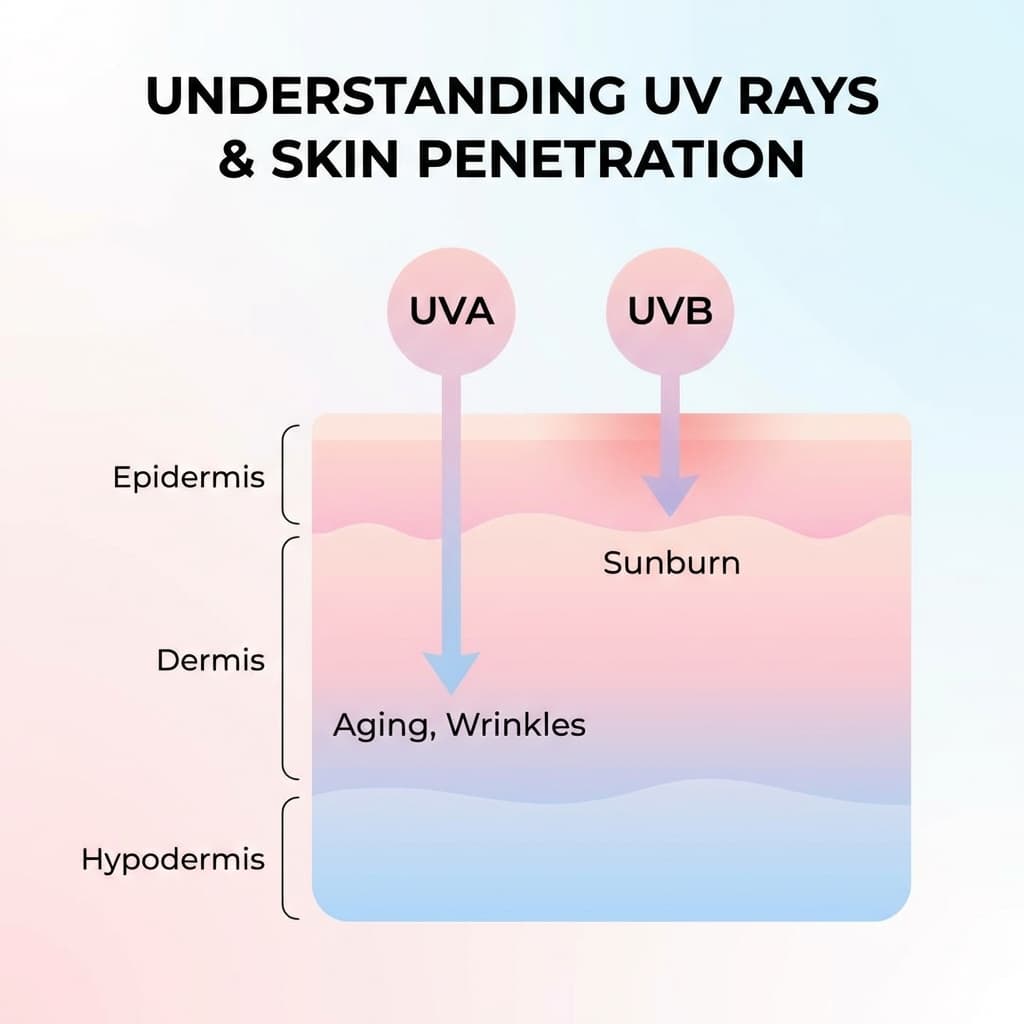
Understanding UV Rays: UVA vs UVB
Sunlight emits different types of radiation, but two are especially harmful to skin. Broad-spectrum sunscreen protects against both.
- UVA Rays: Penetrate deep into the skin, responsible for premature aging, cause collagen breakdown, present all year round
- UVB Rays: Affect the surface of the skin, cause sunburn, play a role in skin cancer, stronger during summer months
Sunscreen Is Preventative Skincare
Most skincare products work by correcting damage after it happens. Sunscreen works differently — it prevents damage before it starts. No anti-aging serum can outperform daily sun protection. Without sunscreen, ingredients like vitamin C, retinol, and peptides are fighting a losing battle.
Types of Sunscreen Explained
Mineral Sunscreen
Uses zinc oxide or titanium dioxide to reflect UV rays.
Sensitive skin, acne-prone skin
Chemical Sunscreen
Absorbs UV radiation and converts it into heat.
Daily wear, makeup layering
Hybrid Sunscreen
Combines both for balanced protection and texture.
All skin types
Common Sunscreen Myths — Debunked
I don't need sunscreen indoors.
UVA rays penetrate glass. If you're near windows, sunscreen matters.
My skin tone doesn't burn.
Darker skin tones are still vulnerable to pigmentation and aging.
SPF in makeup is enough.
You would need an unrealistic amount of makeup to achieve proper protection.

How to Use Sunscreen Correctly
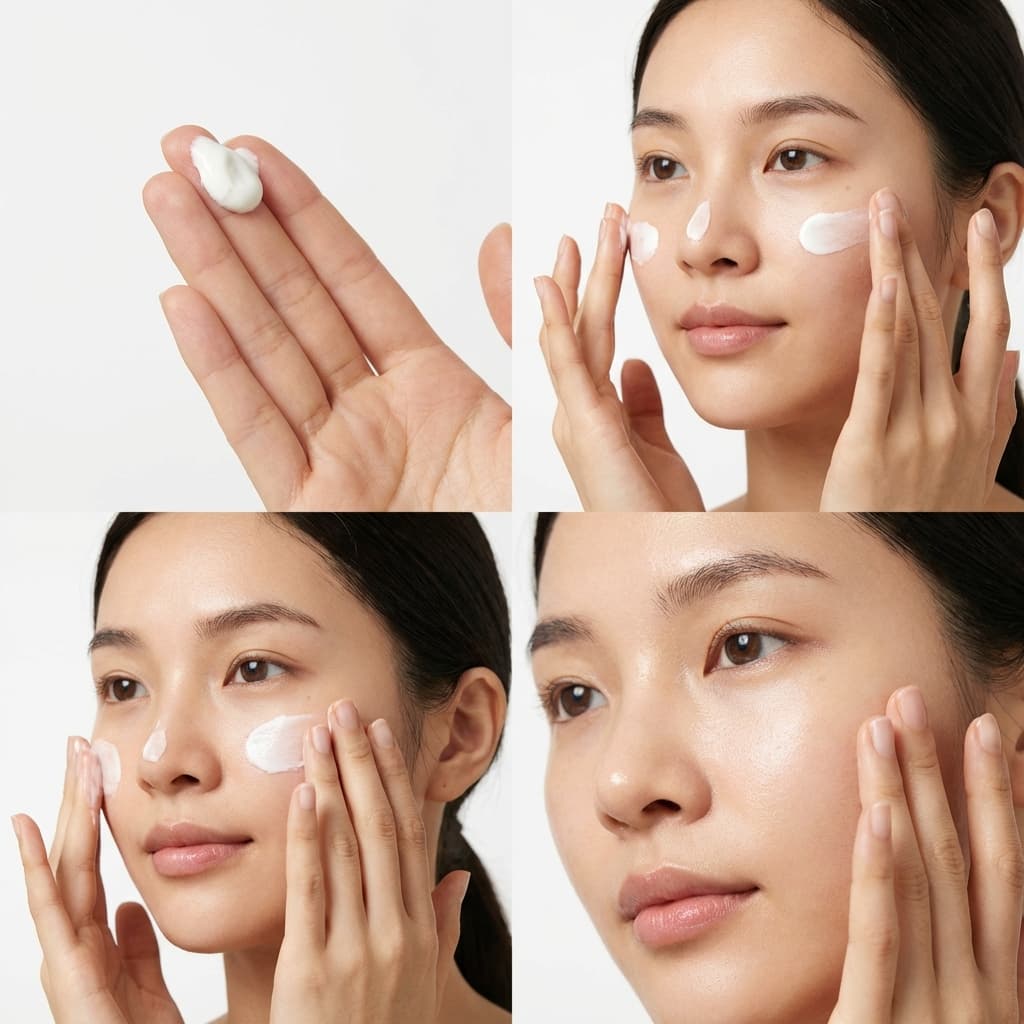
Apply Enough
Use two fingers' length for face and neck.
Apply Last
Sunscreen goes on after moisturizer, before makeup.
Reapply
Every 2–3 hours if exposed to daylight.
Don't Skip Areas
Neck, ears, eyelids, and hands matter.
With consistency, sunscreen helps preserve collagen, prevent pigmentation, reduce inflammation, maintain even tone, and support long-term skin health. The difference isn't dramatic overnight — it is powerful over years.
A Simple Daily Sun Protection Habit
Morning Routine
Consistency beats perfection.
Final Thoughts
Sunscreen is not about fear of the sun — it is about respecting your skin. It allows you to enjoy sunlight while protecting your skin's future. Healthy skin is not built overnight. It is built daily.
Continue Reading
The Ritual Behind Naturally Glowing Skin
A simple, science-backed weekly skincare ritual designed to support hydration, barrier health, and long-term radiance
What Your Skin Type Is Trying to Tell You
Understanding your skin type is the foundation of good skincare. Learn how to identify yours and build a routine that works.
Your Skin Journey Starts Here
Ready to build a science-backed skincare routine? Subscribe to our newsletter for weekly tips, ingredient deep-dives, and exclusive guides.
Join the Community