

Understanding your skin type is the foundation of good skincare. Without this knowledge, even the best products can feel ineffective — or worse, cause irritation, breakouts, or imbalance.
Your skin type determines how your skin produces oil, retains moisture, and reacts to external factors like weather, stress, and products. Once you understand it, skincare becomes simpler, more intentional, and far more effective.
In this guide, we'll break down the five basic skin types, how to identify yours, and how to care for it properly.
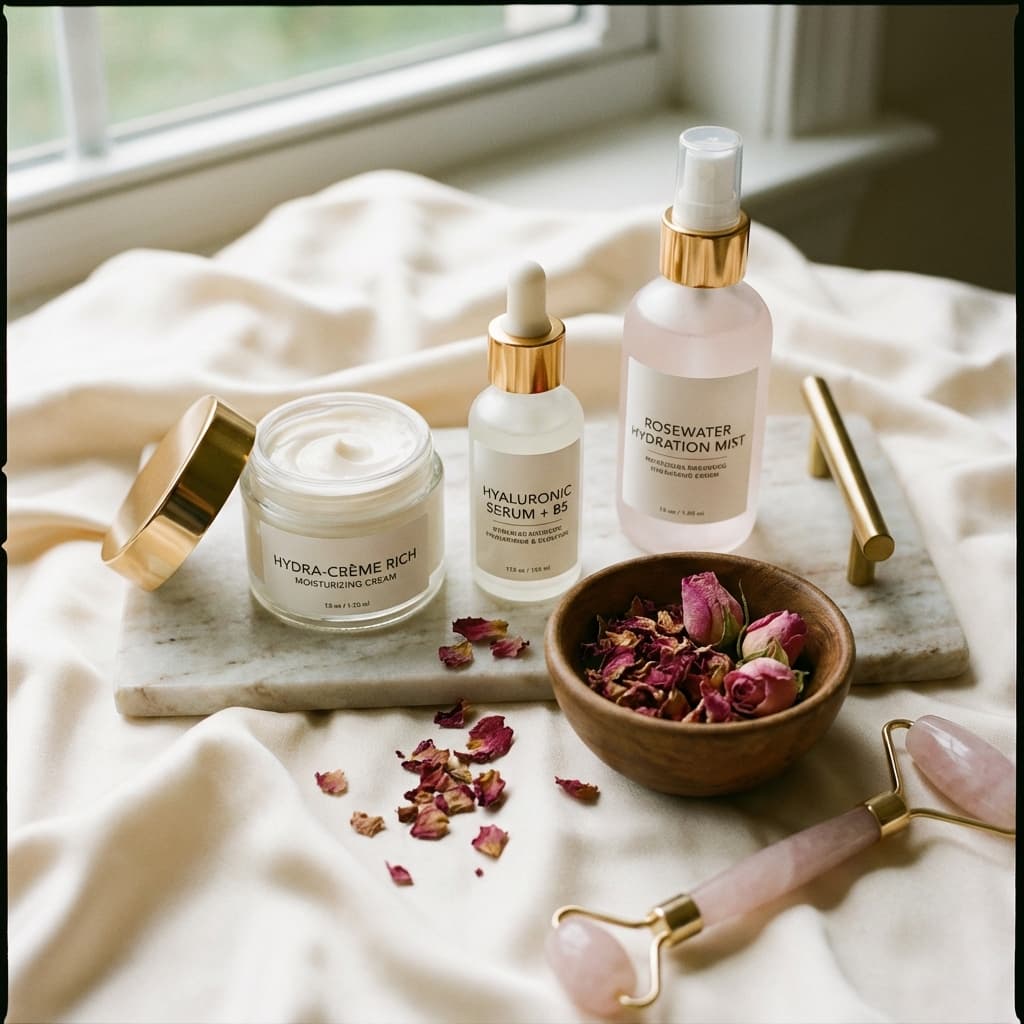
Why Skin Type Matters
Using products designed for the wrong skin type can disrupt your skin barrier and create problems that didn't exist before. While typically genetic, skin type can shift slightly due to age, hormones, climate, and lifestyle.
- Which ingredients work best
- How often you should exfoliate
- How much hydration you need
- How your skin reacts to products
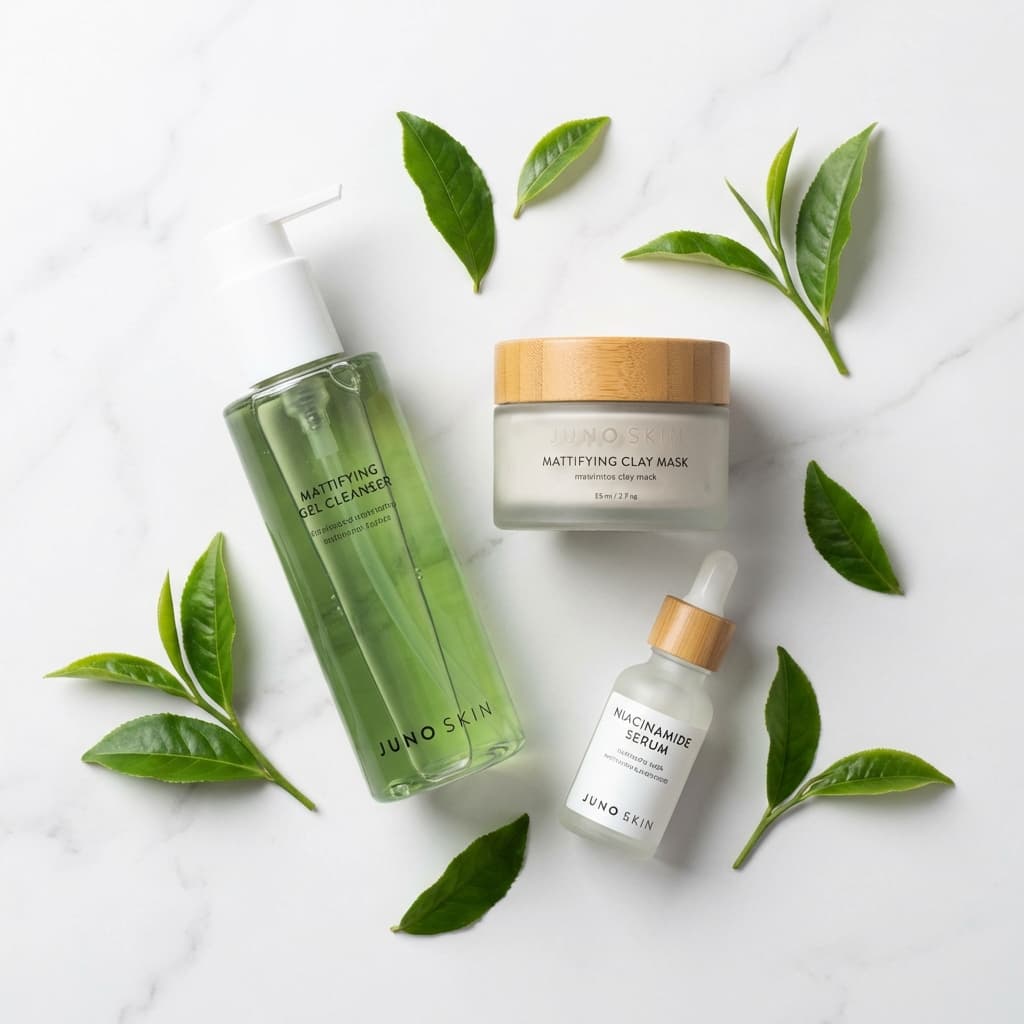
Normal Skin
Normal skin is well-balanced — not too oily and not too dry. It typically has even texture, minimal visible pores, and rare breakouts. To care for it, use a gentle cleanser, lightweight moisturizer, daily sunscreen, and occasional exfoliation.
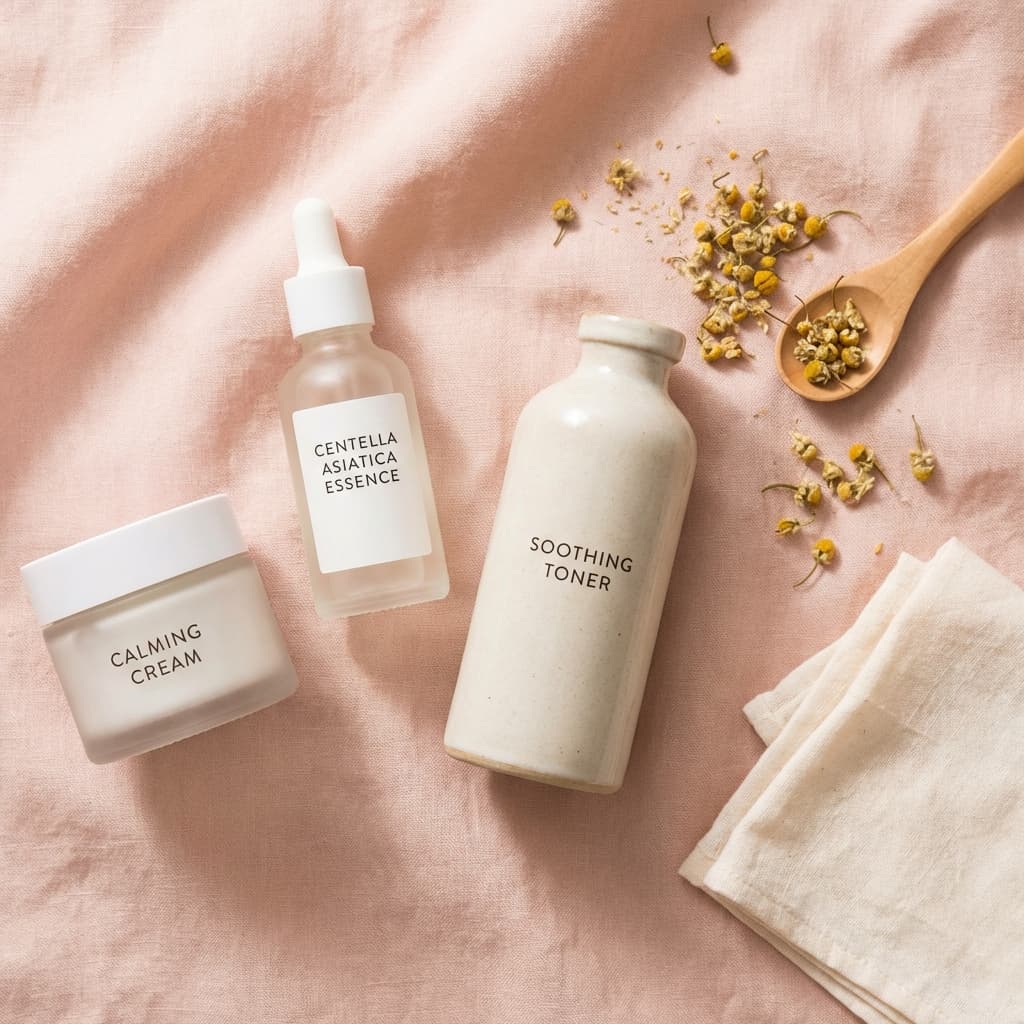
Dry Skin
Dry skin lacks sufficient oil and struggles to retain moisture. You may notice a tight or rough feeling, flakiness, or dull appearance. Focus on creamy cleansers, rich moisturizers, and barrier-repair ingredients like ceramides.
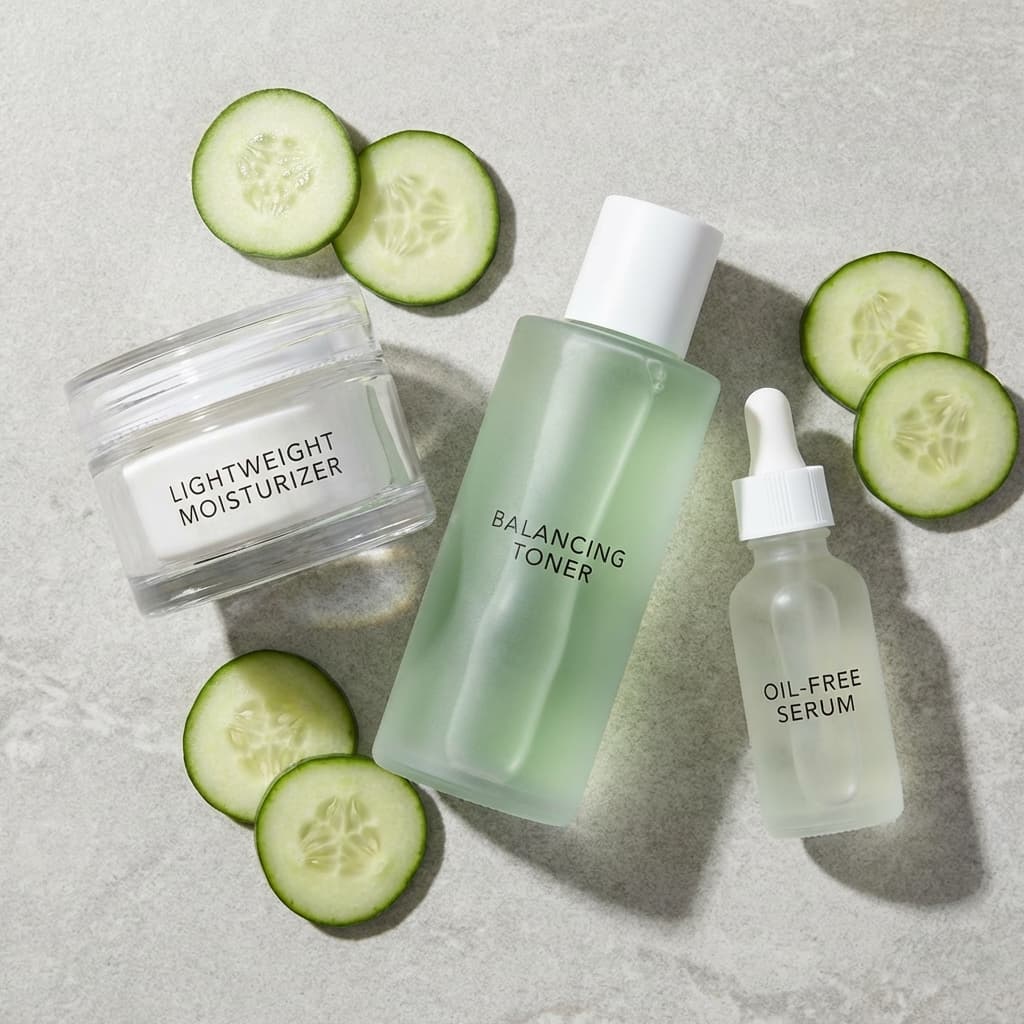
Oily Skin
Oily skin produces excess sebum, especially in the T-zone, often leading to shine and enlarged pores. Use gentle foaming cleansers, lightweight gel moisturizers, and oil-controlling (but non-stripping) products.
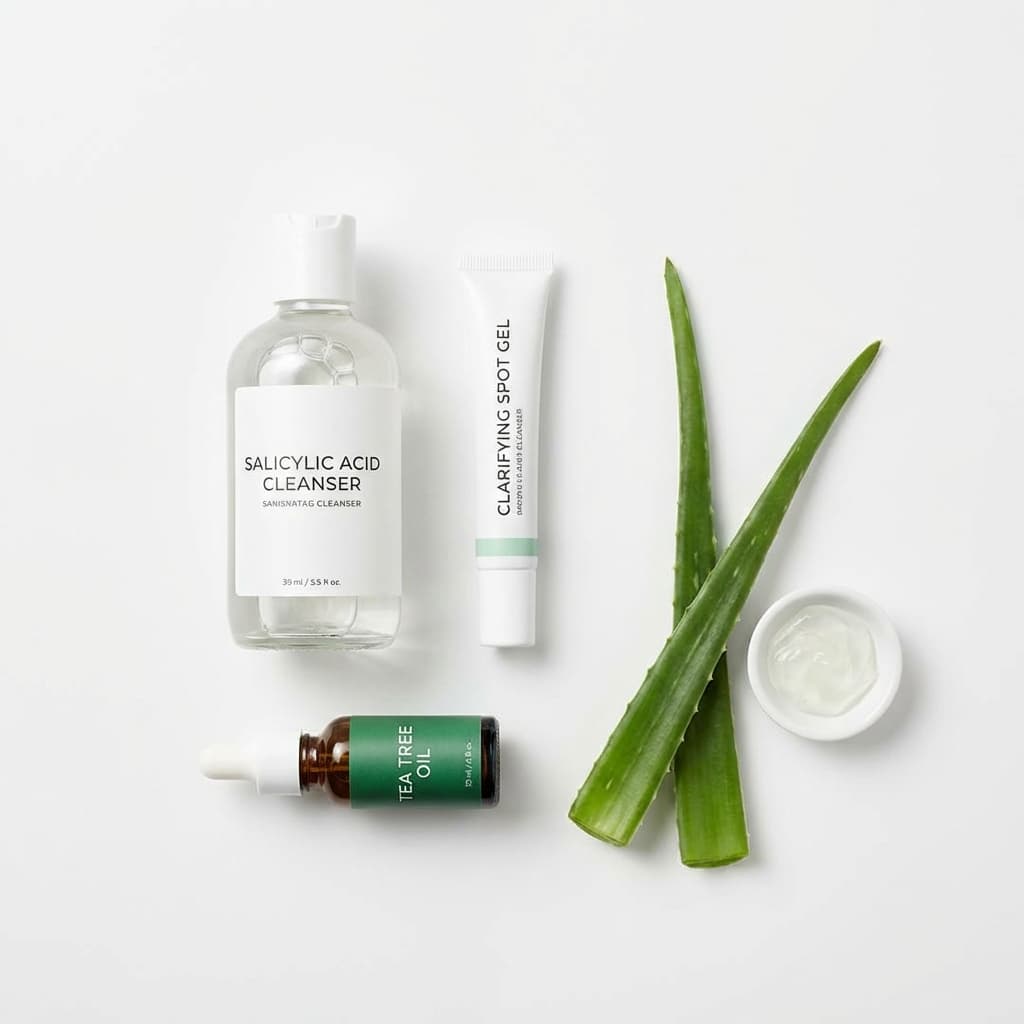
Combination Skin
Combination skin is a mix — typically oily in the T-zone (forehead, nose, chin) and dry or normal on the cheeks. Use a balanced cleanser and lightweight overall hydration, treating oily areas with targeted products if needed.

Sensitive Skin
Sensitive skin reacts easily to products or environmental factors, causing redness, stinging, or itching. Stick to minimal routines, fragrance-free products, and barrier-repair ingredients.
How to Identify Your Skin Type at Home
1. Cleanse
Wash your face with a gentle cleanser and pat dry.
2. Wait
Wait 1 hour without applying any products.
3. Observe
Tight = Dry | Shiny = Oily | Mixed = Combination | Comfortable = Normal | Irritated = Sensitive
Can Your Skin Type Change?
My skin type is permanent and never changes
Hormones, climate, age, and stress can cause slight shifts in your skin type.
I can change my skin type with products
You can manage your skin type, but your core genetic type usually remains the same.
"Understanding your skin type removes the guesswork. When you work with your skin instead of against it, results become effortless.
Healthy skin starts with understanding — not trends. Listen to what your skin is telling you.
Continue Your Skincare Journey
The Ritual Behind Naturally Glowing Skin
A simple, science-backed weekly skincare ritual designed to support hydration, barrier health, and long-term radiance
Why Sunscreen Changes Everything for Your Skin
The science, myths, and daily habits behind healthy, protected skin
Get Personalized Routine Tips
Not sure where to start? Join our newsletter for guides tailored to every skin type.
Subscribe Now